
Why Faith Based Humanitarian Aid Matters
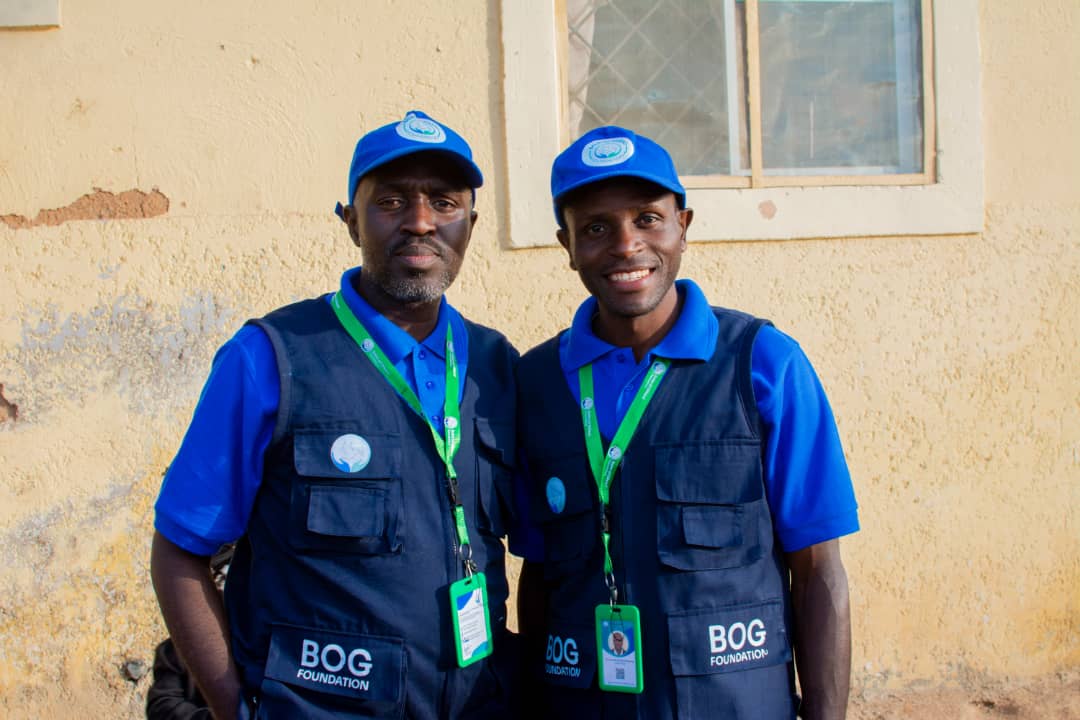
Across many communities in Nigeria, humanitarian needs are not occasional. They are part of daily life. From food insecurity to limited access to education, families continue to navigate challenges shaped by poverty, displacement, and fragile support systems. In these contexts, humanitarian work must be more than reactive. It must be resilient, relational, and deeply rooted. This is where faith based humanitarian aid matters.
At the Balm of Gilead Foundation, our work in vulnerable communities has shown us that faith is not simply a motivation for service. It is a sustaining force that enables long term commitment in places where change takes time and trust must be built patiently.
Faith as a Sustaining Force
Humanitarian work in many parts of Nigeria unfolds in complex environments. Infrastructure is often limited. Resources are stretched thin. Needs are layered and ongoing. What sustains consistent presence in such settings is not only funding or programs, but purpose.
Faith provides that purpose. It anchors humanitarian work in a sense of calling that goes beyond short term outcomes. During our Breaking Bread Building Future outreach to orphanages, the realities we encountered were sobering. Many of the children depended on daily provisions that were often uncertain. Caregivers carried heavy responsibilities with limited support.
Faith strengthened our resolve to serve with compassion and patience. The distribution of foodstuff was not approached as a one time intervention but as part of a broader commitment to care. Faith enabled our team to remain present, attentive, and responsive even when the work felt demanding.
Faith Shapes How Aid Is Delivered
In Nigerian communities facing persistent challenges, how aid is delivered can be just as important as what is delivered. Faith based humanitarian work emphasizes dignity and relationship in places where people are often treated as numbers.
During school supply distributions in Jos, we saw how faith informed our approach. Volunteers took time to engage with teachers who manage overcrowded classrooms, limited learning materials, and the pressure to keep children motivated despite difficult conditions. Listening to their experiences provided valuable insight into the realities of education on the ground.
The supplies addressed immediate needs, but the encouragement and respect shared in those moments reinforced a sense of partnership rather than charity. Faith guided an approach that centered people, not just outcomes.
Faith Builds Trust Over Time
Trust is essential in humanitarian work, yet it is often fragile. Communities want to know who is genuinely committed to their well being beyond short visits or isolated interventions.
Faith based organizations often build trust through consistency and shared values. Service motivated by compassion rather than obligation is felt and recognized. During recent field interventions, local leaders, teachers, and caregivers expressed appreciation not only for the resources provided but for the sincerity and continuity of engagement.
Faith driven service communicates that communities matter beyond moments of crisis. It builds trust through presence, humility, and reliability.
Faith Encourages Long Term Vision
Emergency relief is critical, but meaningful change requires long term vision. Faith invites humanitarian organizations to look beyond immediate needs and invest in lasting transformation.
Providing foodstuff to orphanages addresses present hunger, but faith also calls attention to stability, emotional well being, and future opportunity. Supporting education through school supplies meets urgent gaps, but faith pushes us to imagine what children can become when given consistent support and encouragement.
This perspective shapes planning, partnerships, and perseverance. It ensures that humanitarian work remains focused on restoration and growth rather than temporary solutions.
Why Faith Based Aid Matters Today
Nigeria continues to face significant humanitarian challenges. In this environment, faith based aid offers something deeply needed. It brings hope where fatigue is common. It sustains commitment when progress is slow. It centers dignity in systems that can feel transactional.
At the Balm of Gilead Foundation, faith is inseparable from our mission. It informs how we serve, how we engage, and how we remain committed to communities across the country. Faith fuels compassion, strengthens resilience, and keeps our focus on healing lives, restoring hope, and building futures.
Faith based humanitarian aid matters because it stays for the long journey of change.

Leave a Reply